
Category: Publishing
-
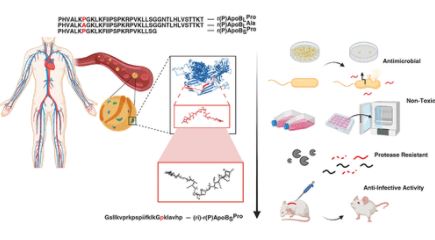
Synthetic Antibiotic Derived from Sequences Encrypted in a Protein from Human Plasma
Presidential Assistant Professor Cesar de la Fuente, has a new paper out in ACS Nano. Abstract: Encrypted peptides have been recently found in the human proteome and represent a potential class […]
-
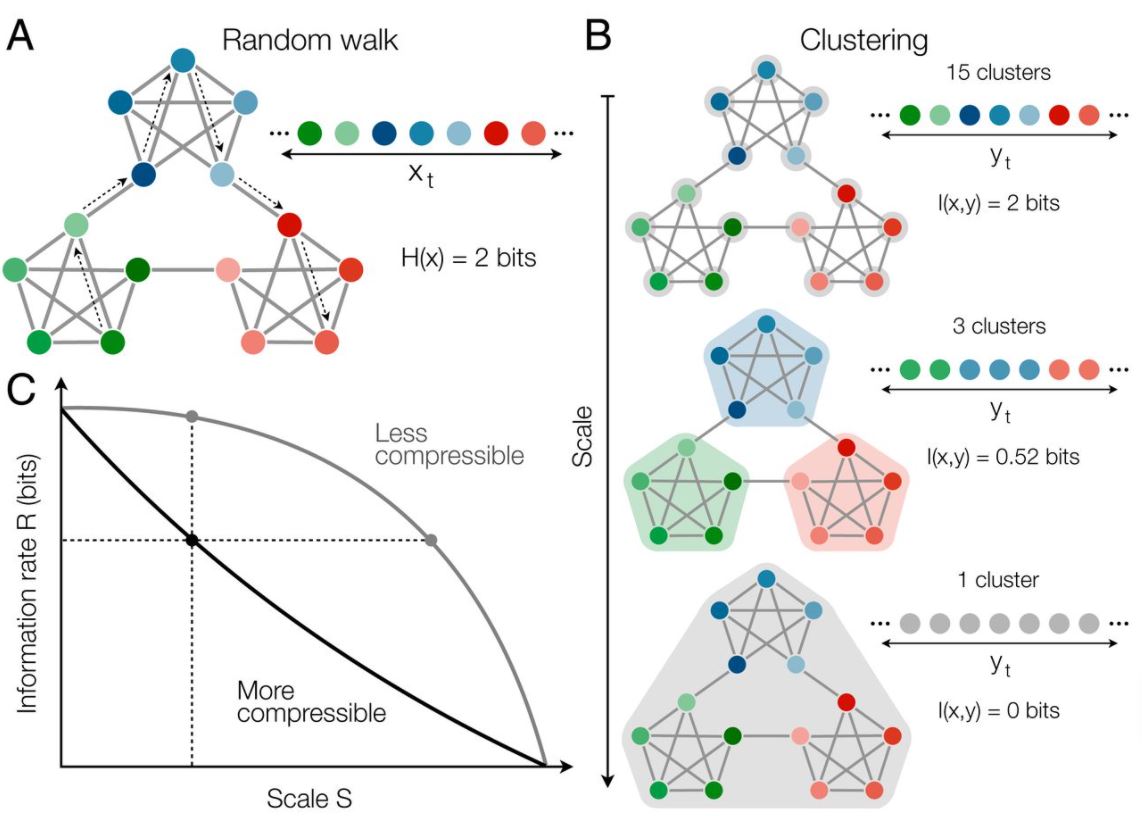
“Quantifying the compressibility of complex networks”
Danielle Basset has a new paper out in PNAS! Abstract Many complex networks depend upon biological entities for their preservation. Such entities, from human cognition to evolution, must first encode […]
-
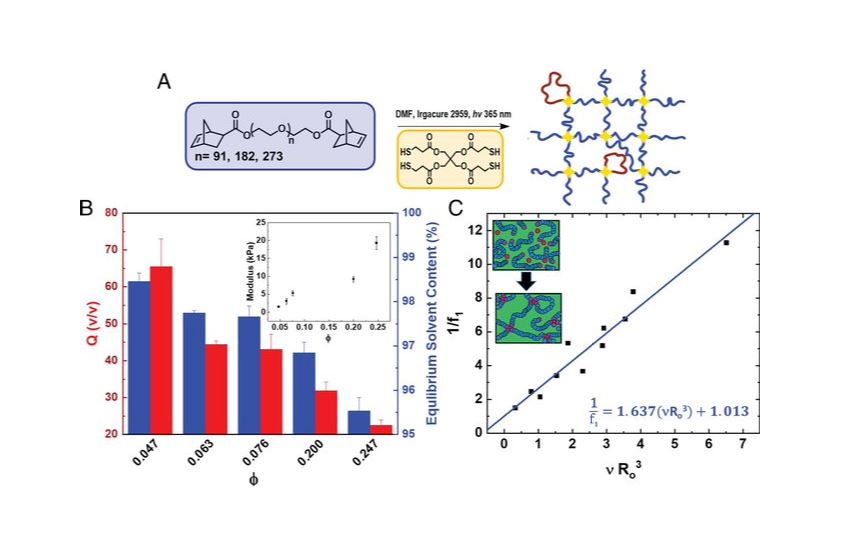
“Fracture of model end-linked networks”
The Riggleman Group has published a new study in PNAS! Abstract Advances in polymer chemistry over the last decade have enabled the synthesis of molecularly precise polymer networks that exhibit […]
-
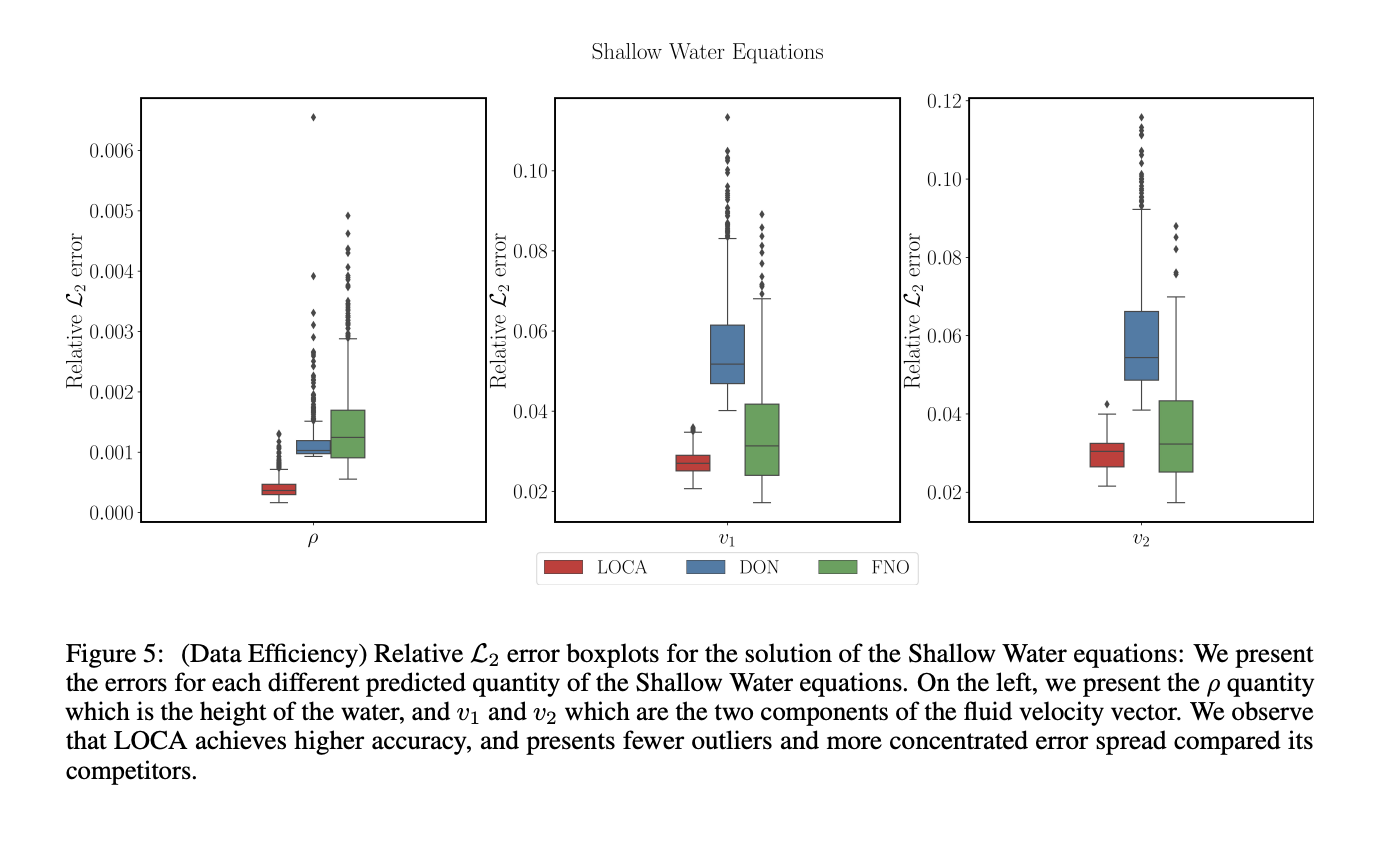
Learning Operators with Coupled Attention
The Perdikaris Group has a new paper available at arxiv.org/abs/2201.01032 Abstract: Supervised operator learning is an emerging machine learning paradigm with applications to modeling the evolution of spatio-temporal dynamical systems […]
-
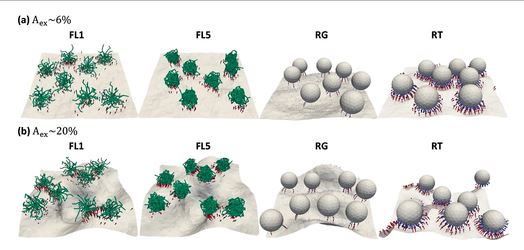
Samaneh Farokhirad and the members of the Radhakrishnan lab make the cover of Advanced Materials Interfaces
Abstract Flexible Polymeric Nanoparticles In article number 2101290, Samaneh Farokhirad, Ravi Radhakrishnan, and co-workers explore the biophysical principles behind the effect of shape, chemistry, and flexibility of nanoparticles on multivalent ligand–receptor-mediated […]
-

“Mining for encrypted peptide antibiotics in the human proteome”
César de la Fuente, Presidential Assistant Professor in Bioengineering, Microbiology, Psychiatry, and Chemical and Biomolecular Engineering, and his group have a new paper out in Nature Methods. Abstract The emergence […]
-
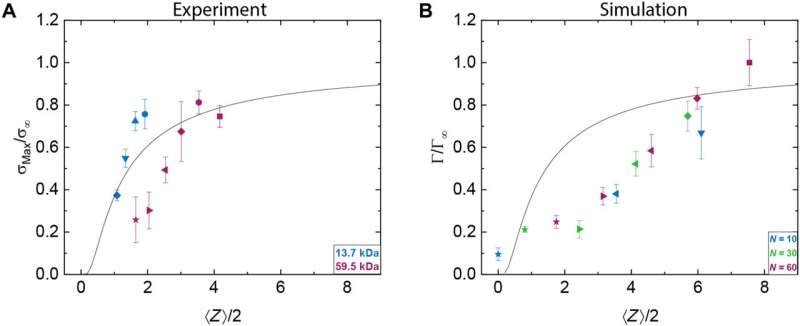
“Load-bearing entanglements in polymer glasses”
Robert Riggleman, Associate Professor of Chemical and Biomolecular Engineering, and members of his group have published a new paper in Science Advances. Abstract Through a combined approach of experiment and simulation, […]
-
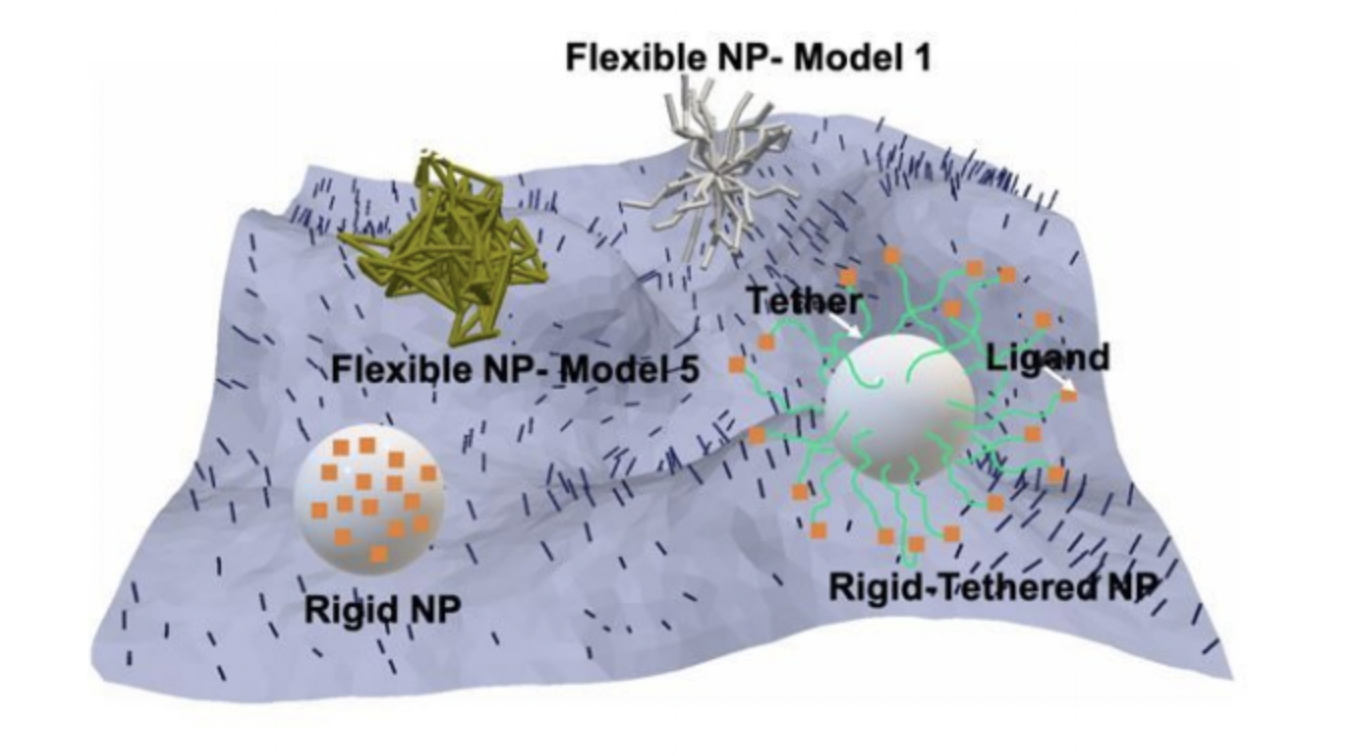
“Biophysical Considerations in the Rational Design and Cellular Targeting of Flexible Polymeric Nanoparticles”
Professor Ravi Radhakrishnan, Department Chair for BioEngineering and Professor Chemical and Biological Engineering, has a new paper available on Research Square. Abstract: It is becoming evident that engineered physicochemical characteristics […]
-
“Minute-scale detection of SARS-CoV-2 using a low-cost biosensor composed of pencil graphite electrodes”
Professor César de la Fuente, Presidential Assistant Professor Bioengineering, Chemical and Biomolecular Engineering, Microbiology and Psychiatry, has a new paper which discusses a diagnostic test that detects SARS-CoV-2 within 6.5 min and costs $1.50 per unit to produce.
-
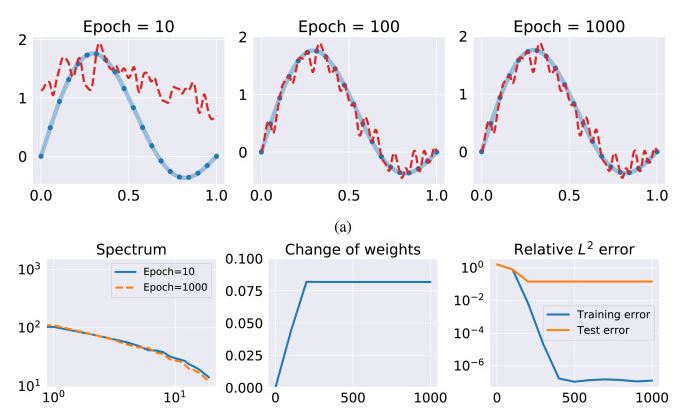
“On the eigenvector bias of Fourier feature networks: From regression to solving multi-scale PDEs with physics-informed neural networks”
Professor Paris Perdikaris, Assistant ProfessorMechanical Engineering and Applied Mechanics, has a new paper out in Computer Methods in Applied Mechanics and Engineering. Abstract: Physics-informed neural networks (PINNs) are demonstrating remarkable promise in […]